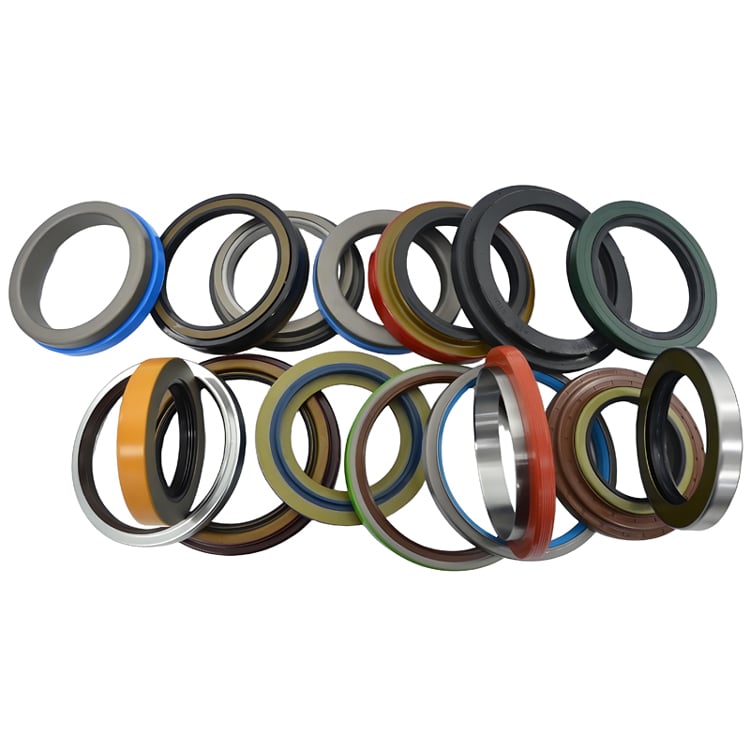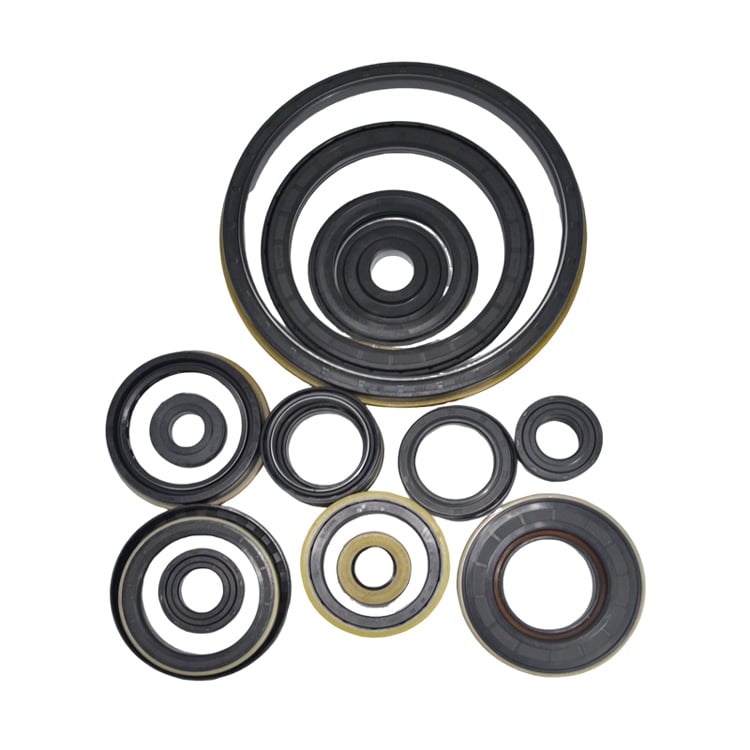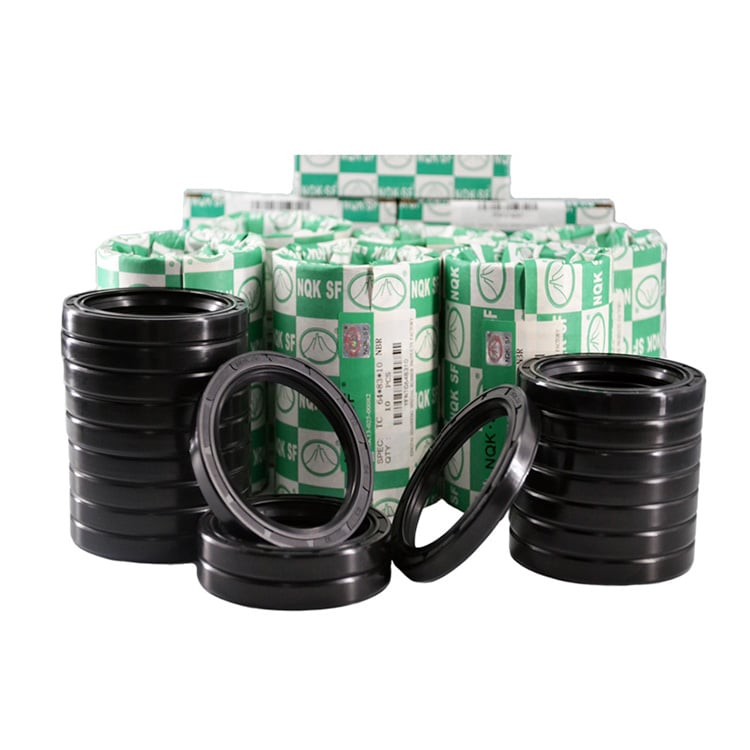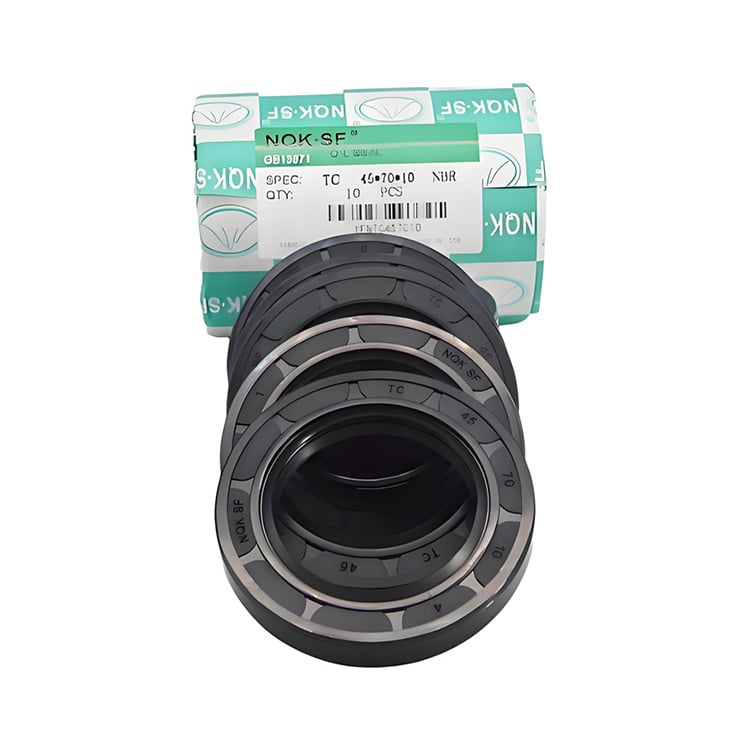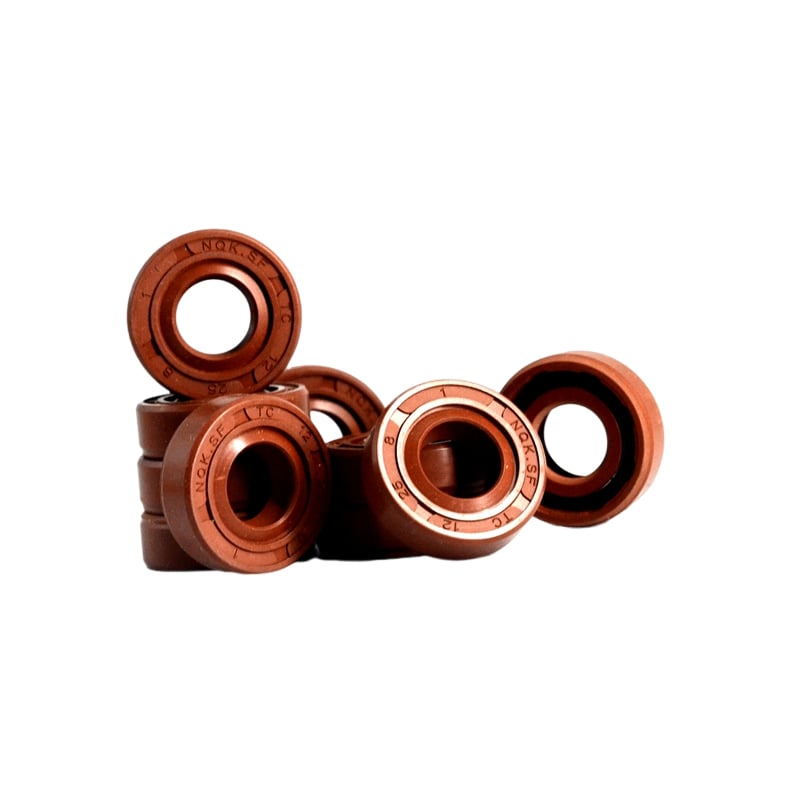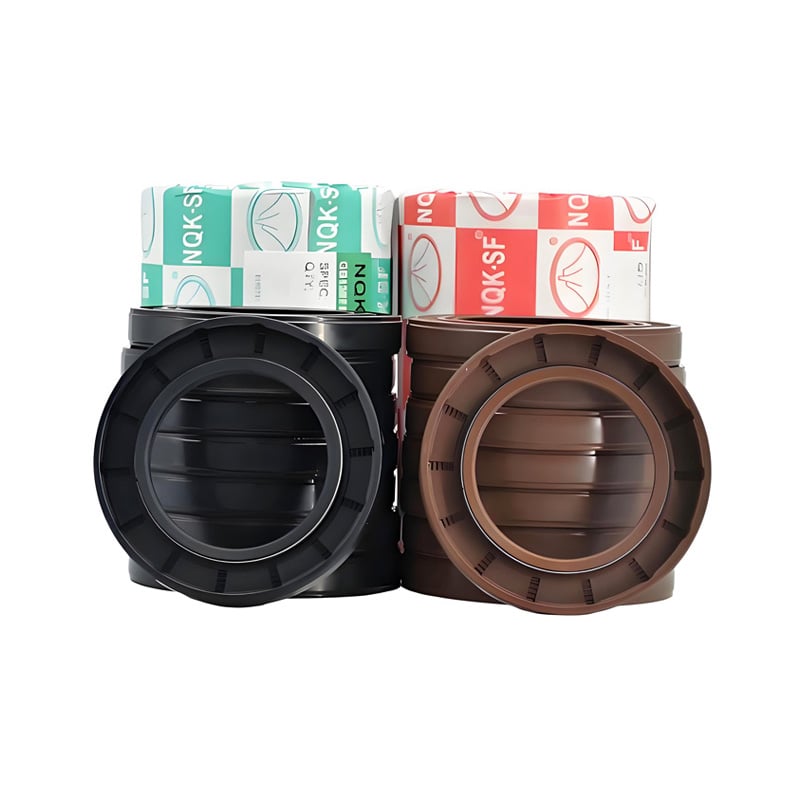

For many conventional engine applications, NBR is a practical oil seal material when the operating temperature, lubricant, and surrounding conditions fall within its working range. When the sealing position is exposed to higher temperatures, demanding fluids, or conditions beyond the normal range of NBR, FKM is often considered instead. The correct choice depends on the actual sealing location and operating conditions rather than the word “engine” alone.
An engine contains several sealing points, and they do not all experience the same environment.
Start with the temperature at the seal location
The temperature around an oil seal is not necessarily the same as the engine's overall operating temperature.
A seal positioned near a relatively cool area may experience very different conditions from one installed close to a hot rotating shaft or another heat-intensive part.
As temperature rises, rubber properties can change. The material may become harder, softer, less elastic, or more susceptible to aging depending on its formulation and exposure time.
This is one reason FKM is often selected for demanding high-temperature sealing applications. Commercial rotary shaft seal products, for example, are available in both NBR and FKM depending on the required operating environment.
The important question is therefore not simply:
“Is this an engine?”
A better question is:
“What temperature does the seal actually experience during continuous operation?”
NBR is often a sensible starting point
NBR is widely used in conventional oil seals because of its balance of oil resistance, mechanical properties, elasticity, and manufacturing practicality.
For engines operating with conventional lubricants and moderate sealing temperatures, NBR can provide a suitable combination of sealing performance and durability.
This is one reason standard radial oil seal catalogs commonly list NBR as a basic material option.
However, selecting NBR simply because it is common is not enough. The oil type, temperature, shaft speed, pressure, and expected service conditions still need to be considered.
When FKM becomes more relevant
FKM is often considered when the application places greater demands on temperature resistance, fluid compatibility, or long-term resistance to harsh operating conditions.
For an engine, this may become relevant when the oil seal is positioned near a high-temperature area or when the surrounding conditions exceed what a conventional NBR compound is intended to handle.
But FKM is not automatically the right answer just because it is a higher-grade material. Material selection should always consider the complete application.
A seal compound has to work with the lubricant, shaft speed, temperature range, pressure, and mechanical design at the same time.
The shaft speed matters too
An engine oil seal is not a static gasket.
The sealing lip is continuously interacting with a moving shaft. As rotational speed increases, frictional heat and lip movement become more important.
The design of the lip therefore matters alongside the rubber compound. A suitable material combined with an unsuitable lip design may still result in poor sealing performance.
Radial shaft seals are specifically designed around this dynamic relationship between the shaft and sealing lip.
Material is only one part of the answer
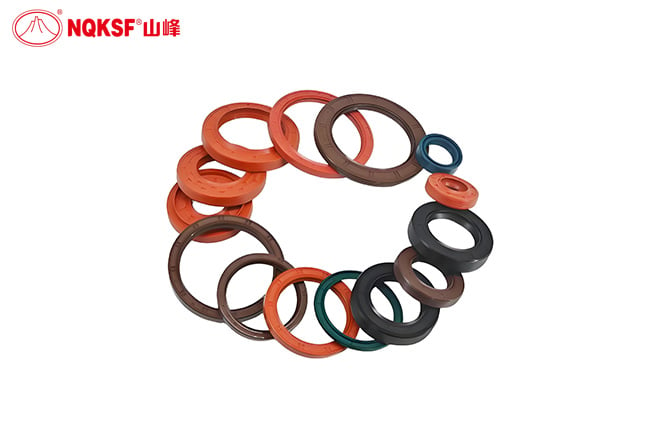
When selecting an engine oil seal, it is tempting to focus entirely on NBR versus FKM. In reality, several variables need to be evaluated together:
Operating temperature at the seal location
Lubricant and fluid compatibility
Shaft diameter and rotational speed
Shaft surface condition
Possible pressure
Dust or moisture exposure
Available installation space
Expected service conditions
The same engine model can even use different seal constructions at different positions.
So, if the application is a conventional oil-lubricated rotating shaft operating within a moderate temperature range, NBR may be an appropriate choice. If the sealing environment becomes hotter or chemically more demanding, FKM deserves consideration.
The best engine oil seal material is therefore the material that matches the actual sealing environment, not simply the material with the highest temperature rating.
 Hot News
ShanFeng Special Rubber Products Co., Ltd., operating under brand NQKSF since 1990, is a global leader in the sealing industry.
Copyright © 2026 ShanFeng Special Rubber Products Co., Ltd. All rights reserved. Privacy Policy
 EN
EN