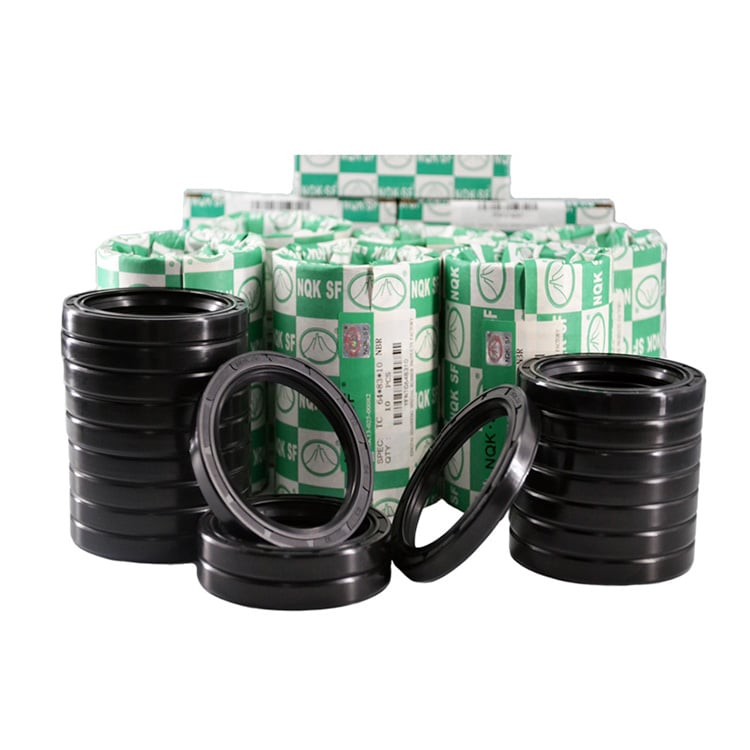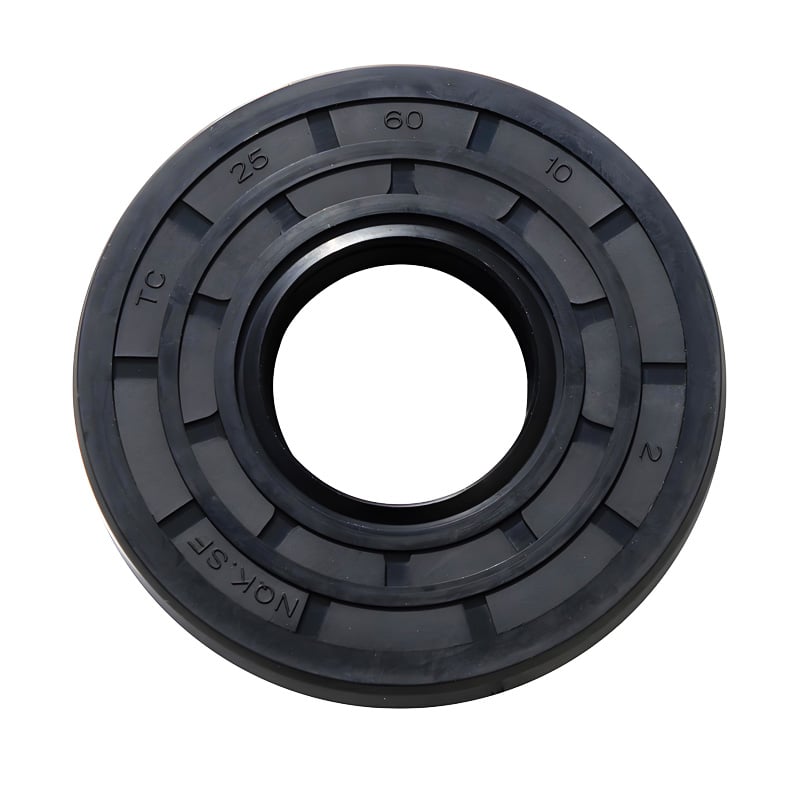

Při koupi pevně uzavřené těsnění na vysokou teplotu , první věc, kterou je třeba zkontrolovat, není uváděné teplotní označení. Skutečně důležité je, zda materiál a konstrukce těsnění dokážou zvládnout skutečnou kombinaci tepla, maziva, otáček hřídele, tlaku a doby provozu. Těsnění může mít na papíře vhodný teplotní rozsah, ale přesto selhat již brzy, pokud nejsou zohledněny ostatní parametry aplikace.
Teplotu je třeba nejprve vyhodnotit na místě těsnění. Teplota uvnitř stroje a teplota v okolí olejového těsnění nejsou vždy stejné. Rotující hřídel může vytvářet dodatečné teplo na těsnicí hraně kvůli tření, zejména při vyšších otáčkách. Nepřetržitý provoz, nedostatečné mazání, excentricita hřídele nebo nevhodný stav povrchu mohou toto lokální teplo ještě dále zvyšovat.
Výběr materiálu je proto důležitou součástí rozhodování. NBR se běžně používá pro obecné utěsnění proti olejům a mastnotám za mírných teplot. FKM se často volí, pokud aplikace vyžaduje vyšší teploty a dobrý odolnost vůči olejům, palivům nebo jiným náročným kapalinám. Jiné materiály, jako jsou ACM nebo PTFE, lze zvážit pro konkrétní aplikace s vysokou teplotou. Správná volba závisí na celém provozním prostředí, nikoli pouze na teplotě.
Lubrikant je třeba také identifikovat před objednáním. Různé motory oleje, převodové oleje, hydraulické kapaliny, paliva a syntetické lubrikanty mohou s elastomery interagovat různým způsobem. Těsnění musí zůstat kompatibilní se skutečným médiem po celou dobu předpokládané životnosti. Materiál, který dobře funguje s jedním typem oleje, nesmí být automaticky považován za stejně vhodný pro jinou kapalinu.
Otáčková rychlost hřídele je dalším faktorem, který se snadno přehlédne. Těsnicí okraje se neustále pohybují po hřídeli, takže rychlost ovlivňuje tření, vznik tepla a opotřebení. Čím vyšší je otáčková rychlost hřídele, tím důležitější se stávají konstrukce okraje, mazání, povrchová úprava hřídele a výběr materiálu. Pro náročné aplikace s vysokou rychlostí nemusí být konvenční pryžové olejové těsnění vždy nejvhodnější konstrukcí.
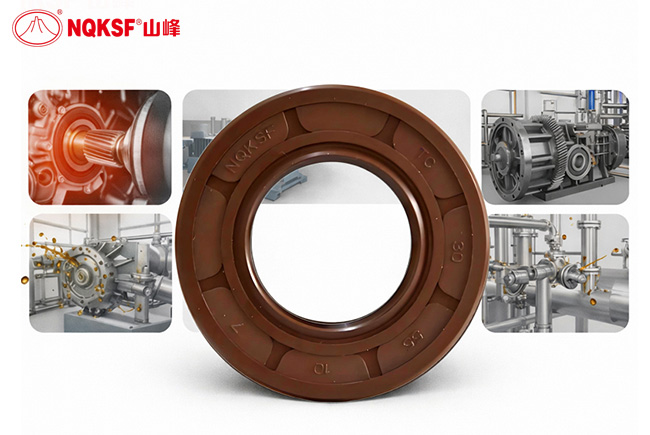
Měly by být také zkontrolovány podmínky montáže. Ostře zaoblený okraj hřídele, poškozený těsnicí okraj, nesprávné lisování, kontaminovaný pouzdro nebo nadměrný pohyb hřídele mohou způsobit únik, i když je materiál těsnění vhodný. Proto může nahrazení těsnění bez kontroly hřídele a pouzdra někdy vést k opakovanému úniku.
Pro nákupní týmy je nejužitečnější poskytnout výrobci těsnění tyto údaje: průměr hřídele, otáčky, provozní teplota, typ maziva, tlak, stav hřídele a okolní prostředí. S těmito údaji dokáže dodavatel doporučit těsnění na základě skutečných provozních podmínek, nikoli pouze podle katalogového rozměru.
Stručně řečeno, nákup vysokoteplotního olejového těsnění není otázkou výběru materiálu s nejvyšším teplotním označením. Jde o nalezení vhodné kombinace materiálu, konstrukce těsnění a rozměrů, která zůstane stabilní za skutečných provozních podmínek zařízení.
 Nejnovější zprávy
ShanFeng Special Rubber Products Co., Ltd., působící pod značkou NQKSF od roku 1990, je světovým předním podnikem v oboru uzavíracích prvků.
Copyright © 2026 ShanFeng Special Rubber Products Co., Ltd. All rights reserved. Zásady ochrany soukromí
 EN
EN