
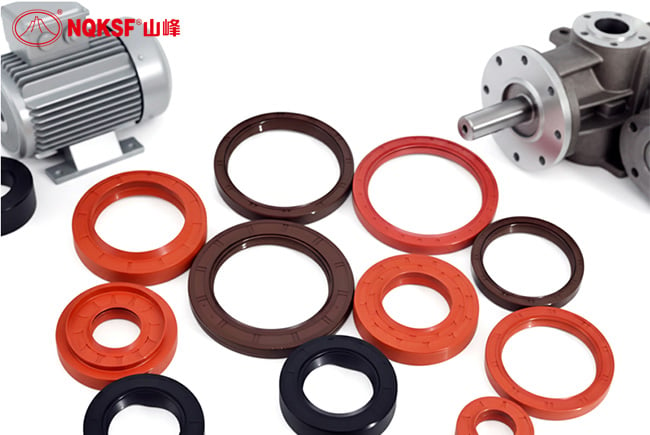
একটি নির্বাচন করার সময় তেল সিল ইলেকট্রিক মোটরের জন্য প্রধান বিষয়গুলি হলো শ্যাফটের আকার, ঘূর্ণন গতি, লুব্রিক্যান্ট, কার্যকরী তাপমাত্রা, দূষণ, শ্যাফটের অবস্থা এবং উপলব্ধ ইনস্টলেশন স্থান। এই বিষয়গুলি নির্ধারণ করে যে কোনো বিশেষ সিল প্রোফাইল ও উপাদান মোটরে সঠিকভাবে কাজ করতে পারবে কিনা। মোটর মডেল বা শ্যাফটের আকারের ভিত্তিতে সিল নির্বাচন করা প্রায়শই যথেষ্ট হয় না।
প্রথম প্যারামিটার হলো শ্যাফটের ব্যাস। এটি মৌলিক সিল মাত্রা নির্ধারণ করে, কিন্তু এটি শুধুমাত্র শুরুর বিন্দু মাত্র। ঘূর্ণন গতিও সমানভাবে গুরুত্বপূর্ণ, কারণ সিলের লিপ ধারাবাহিকভাবে ঘূর্ণায়মান শ্যাফটের সঙ্গে যোগাযোগ রাখে। গতি বৃদ্ধি পেলে লিপের ঘর্ষণ ও তাপ উৎপাদন আরও বেশি হয়। ফলে একটি কম-গতির মোটরে ভালোভাবে কাজ করা সিলটি একই শ্যাফট ব্যাস সহ উচ্চ-গতির মোটরে ব্যবহার করতে হলে ভিন্ন ডিজাইনের প্রয়োজন হতে পারে।
লুব্রিক্যান্টটিও চিহ্নিত করা আবশ্যিক। মোটরের ডিজাইনের উপর নির্ভর করে, সিলটি বেয়ারিং গ্রিজ, লুব্রিকেটিং অয়েল অথবা অন্য কোনো মাধ্যমের সংস্পর্শে আসতে পারে। এলাস্টোমারটি প্রত্যাশিত তাপমাত্রায় সেই মাধ্যমের সাথে সামঞ্জস্যপূর্ণ হতে হবে। সাধারণ তেল ও গ্রিজ সিলিং অ্যাপ্লিকেশনে এনবিআর প্রায়শই ব্যবহৃত হয়, যখন উচ্চতর তাপমাত্রা প্রতিরোধ ক্ষমতা বা ভিন্ন তরলের সাথে সামঞ্জস্যতা প্রয়োজন হয়, তখন এফকেএম বিবেচনা করা যেতে পারে।
তাপমাত্রা মোটরের সাধারণ অপারেটিং স্পেসিফিকেশন থেকে সরাসরি নেওয়া না হয়ে সিলের অবস্থানে পরীক্ষা করা উচিত। তাপ বেয়ারিং, শ্যাফট, মোটর লোড, পার্শ্ববর্তী সরঞ্জাম অথবা নিজেই সিলের ঘর্ষণ থেকে উৎপন্ন হতে পারে। যে মোটর ভারী লোডে অবিচ্ছিন্নভাবে চালিত হয়, তা একটি একই রেটেড পাওয়ার বিশিষ্ট কিন্তু আংশিকভাবে ব্যবহৃত মোটরের তুলনায় সিলিংয়ের জন্য আরও চাপসৃষ্টিকারী পরিবেশ তৈরি করতে পারে।
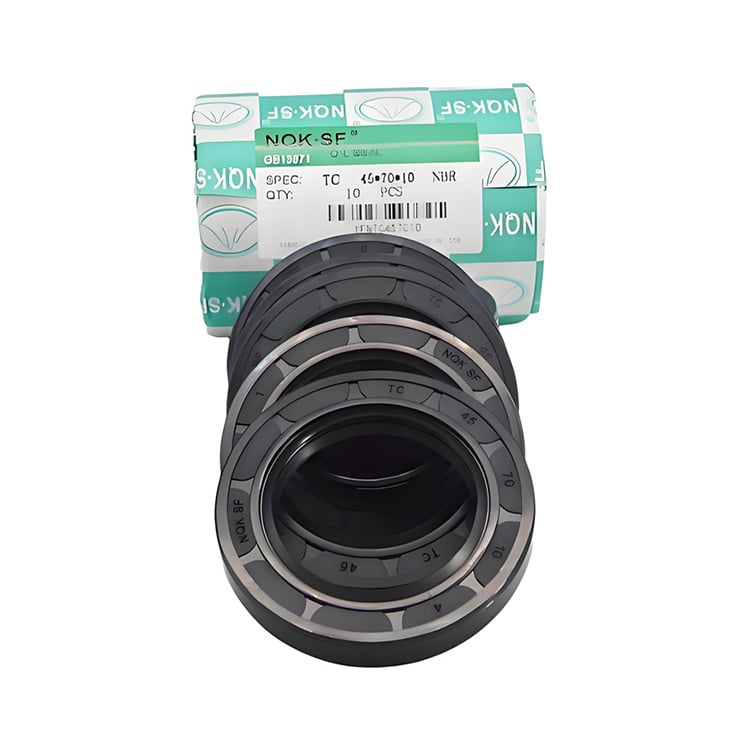
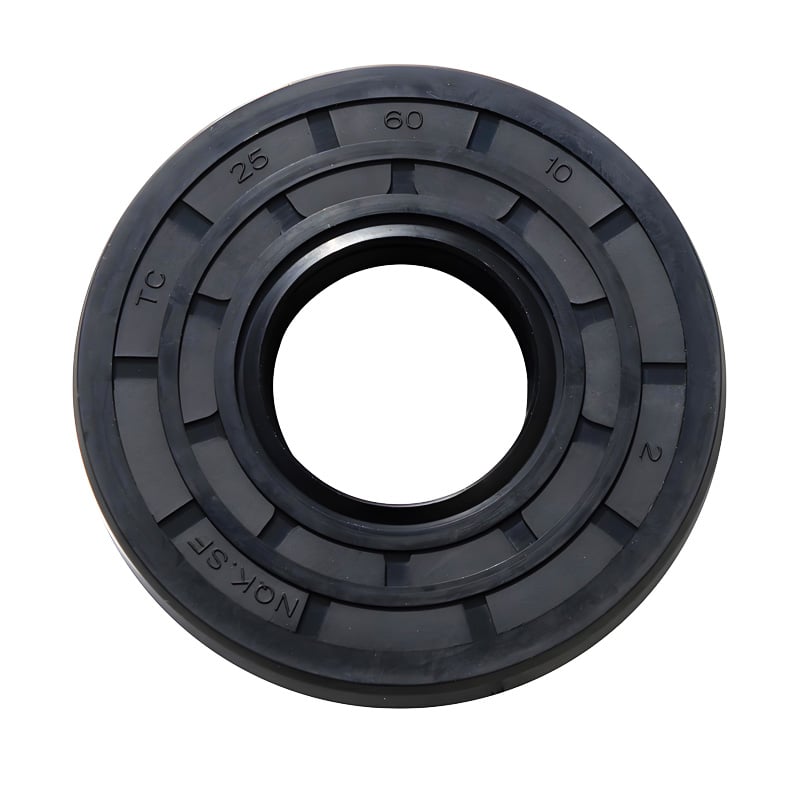
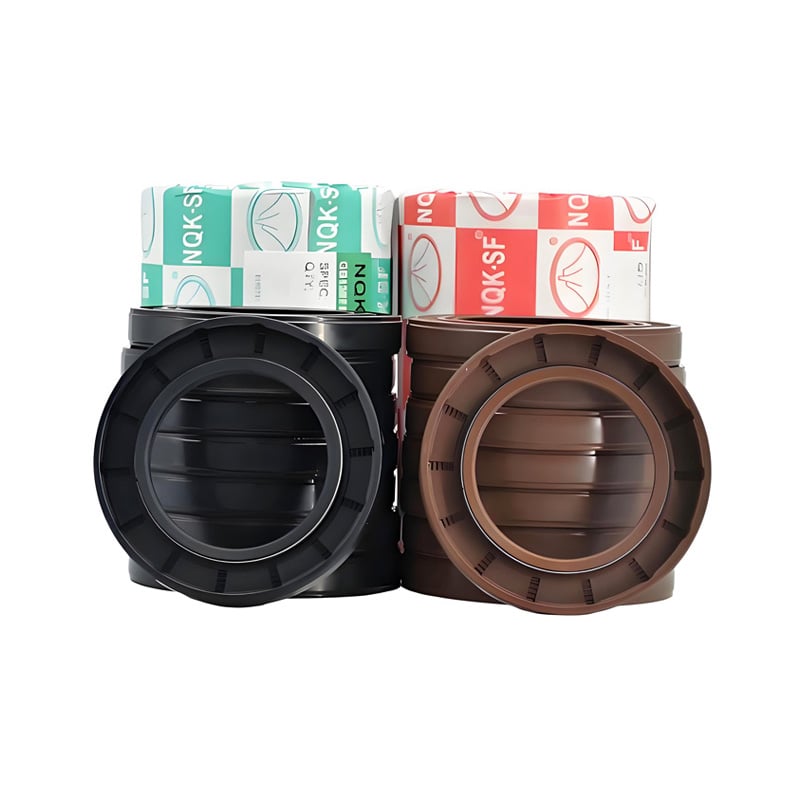
বাইরের পরিবেশও পছন্দের উপর প্রভাব ফেলে। তুলনামূলকভাবে পরিষ্কার যন্ত্রপাতিতে ব্যবহৃত মোটরগুলির মূলত লুব্রিক্যান্ট ধরে রাখার প্রয়োজন হতে পারে। ধূলিপূর্ণ কারখানা, কৃষি যন্ত্রপাতি, বাইরের যন্ত্রপাতি বা জল ও ময়লা সংস্পর্শে থাকা এলাকায় স্থাপন করা মোটরগুলির দূষণ থেকে অতিরিক্ত সুরক্ষা প্রয়োজন হতে পারে। ডাবল-লিপ অয়েল সিল, যেমন টিসি-টাইপ ডিজাইন, প্রধান সিলিং লিপের বাইরে একটি ধূলিধারী লিপ যোগ করে এবং যেসব পরিবেশে দূষণ একটি চিন্তার বিষয়, সেখানে এটি কার্যকর হতে পারে।
শ্যাফটের পৃষ্ঠের দিকেও সিলের মতোই একই মনোযোগ দেওয়া উচিত। ক্ষয়প্রাপ্ত শ্যাফট, গ্রুভ, অতিরিক্ত রানআউট বা অপ্রস্তুত পৃষ্ঠের ফিনিশ সিলিং লিপের কাজে বাধা দিতে পারে। যদি শ্যাফটে আগের সিল থেকে ইতিমধ্যে ক্ষয় ট্র্যাক তৈরি হয়ে থাকে, তবে ঠিক একই অবস্থানে অন্য একটি সিল স্থাপন করা সর্বদা স্থায়ী সমাধান প্রদান করবে না।
স্থাপন হলো আরেকটি ব্যবহারিক বিবেচনা। সিলটি হাউজিং-এ সমানভাবে প্রবেশ করা উচিত, এবং সংযোজনের সময় সিলিং লিপটি কাটা, মোড়ানো বা ক্ষতিগ্রস্ত হওয়া উচিত নয়। খারাপ স্থাপন শর্তে এমনকি সঠিকভাবে নির্বাচিত সিলও লিক করতে পারে।
মোটর অ্যাপ্লিকেশনের জন্য, শুধুমাত্র সিলের আকার পাঠানোর পরিবর্তে সরবরাহকারীকে পরিচালনার সম্পূর্ণ তথ্য দেওয়া উপকারী। একটি উপযুক্ত অনুসন্ধানে শ্যাফট ব্যাস, আরপিএম, লুব্রিক্যান্ট, তাপমাত্রা, দূষণের মাত্রা, শ্যাফটের অবস্থা এবং স্থাপনের মাত্রা অন্তর্ভুক্ত থাকতে পারে।
এরপর নির্বাচন প্রক্রিয়াটি অনেক স্পষ্ট হয়ে ওঠে। সিল প্রোফাইলটি যান্ত্রিক ও পরিবেশগত প্রয়োজনীয়তা অনুযায়ী নির্বাচন করা হয়, অপরদিকে উপাদানটি লুব্রিক্যান্ট ও তাপমাত্রা অনুযায়ী নির্বাচন করা হয়। এই পদ্ধতি তেল সিলকে মোটরের নির্দিষ্ট সার্ভিস শর্তে সুস্থিরভাবে কাজ করার ভালো সুযোগ দেয়।
১৯৯০ সাল থেকে নিউটি কে এস এফ (NQKSF) ব্র্যান্ডের তলায় চালু থাকা শানফেংg স্পেশাল রাবার প্রোডাক্টস কো., লিমিটেড, সিলিং শিল্পের একজন বিশ্বব্যাপী নেতা।
Copyright © 2026 ShanFeng Special Rubber Products Co., Ltd. All rights reserved. গোপনীয়তা নীতি
 EN
EN
 হট নিউজ