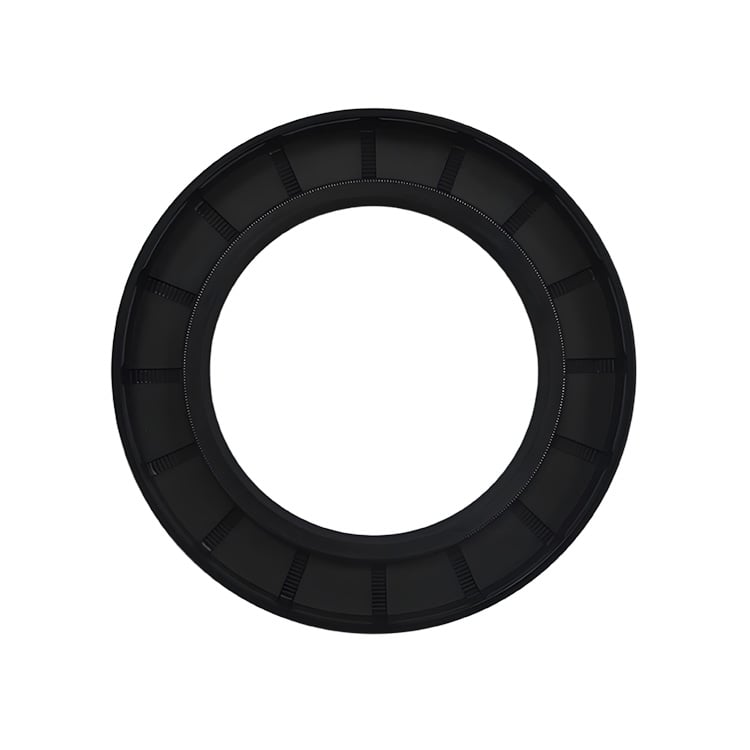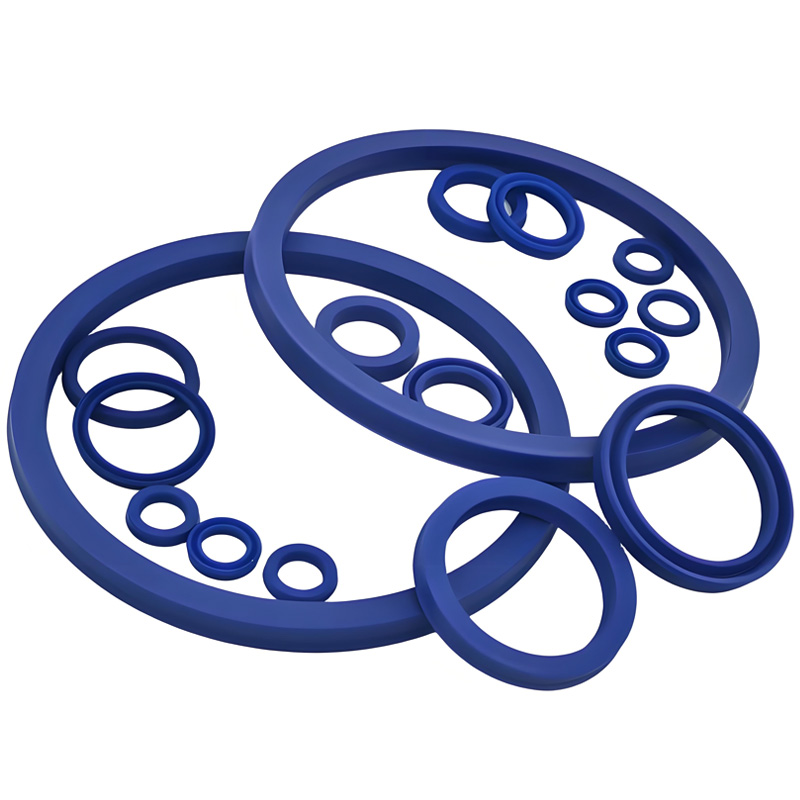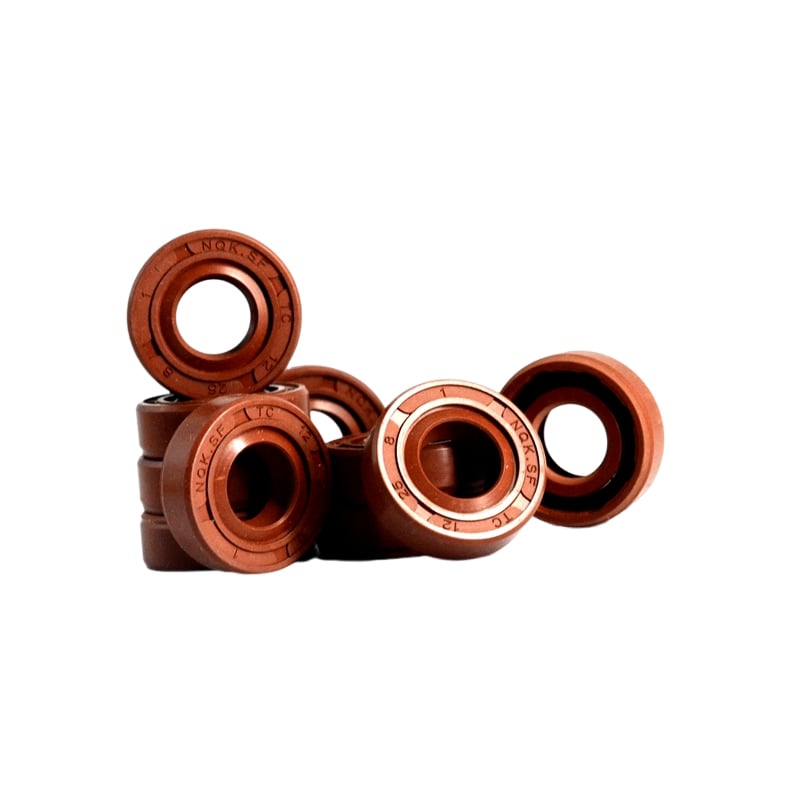

When maintenance teams investigate premature oil seal failures, they often focus on the seal itself. In reality, many failures occur because of installation practices that damage the seal before the machine even begins operating.
The irony is that the seal may leave the factory in perfect condition and become compromised during its first few minutes on the workshop floor.
One of the most common mistakes occurs during assembly over shafts that contain sharp edges, splines, keyways, or threads. As the seal is pushed into position, the sealing lip can be scratched or cut. The damage might be too small to notice during installation, but once the equipment reaches operating speed, leakage begins.
Another frequent issue involves applying force incorrectly during installation. Oil seals are designed to be pressed evenly into their housings. When installers use punches, screwdrivers, or uneven hammer blows, the seal may enter at an angle. Even slight distortion can alter lip contact pressure around the shaft circumference.
Lubrication is another overlooked detail. Some installers place a dry seal directly onto a dry shaft, believing that the equipment lubricant will solve the issue after startup. Unfortunately, the first moments of operation are often when the greatest friction occurs. Without initial lubrication, the sealing lip may experience unnecessary wear before a stable lubricant film develops.
Contamination can also become a problem before the equipment enters service. Small metal chips, abrasive dust, or workshop debris trapped around the sealing area may damage the lip during the first rotation cycle. The seal is then blamed for leakage even though the real issue originated during assembly.
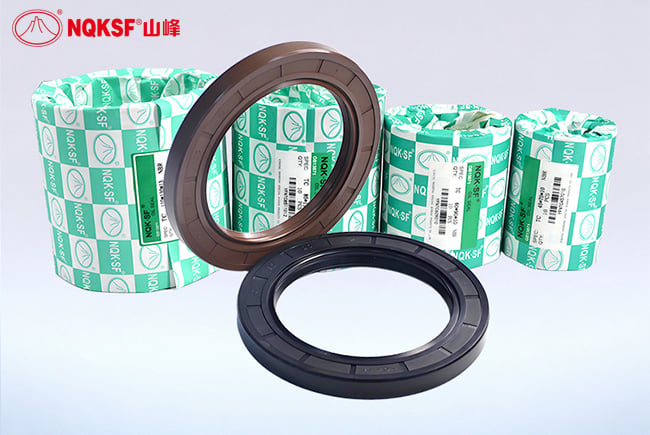
Perhaps the most costly mistake is rushing the installation process. Oil seals are relatively inexpensive components, but the systems they protect are often not. A few minutes spent checking shaft surfaces, confirming alignment, and using appropriate installation tools can prevent hours of downtime later.
Successful installation is not about force. It is about control. Most early seal failures can be traced back to a moment when something was overlooked, rushed, or assumed to be insignificant.
 Hot News
ShanFeng Special Rubber Products Co., Ltd., operating under brand NQKSF since 1990, is a global leader in the sealing industry.
Copyright © 2026 ShanFeng Special Rubber Products Co., Ltd. All rights reserved. Privacy Policy
 EN