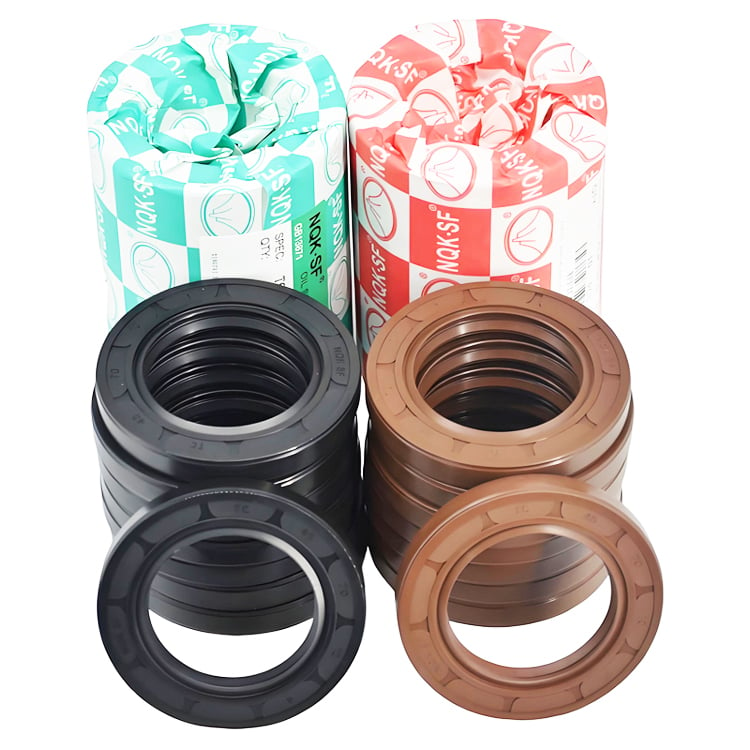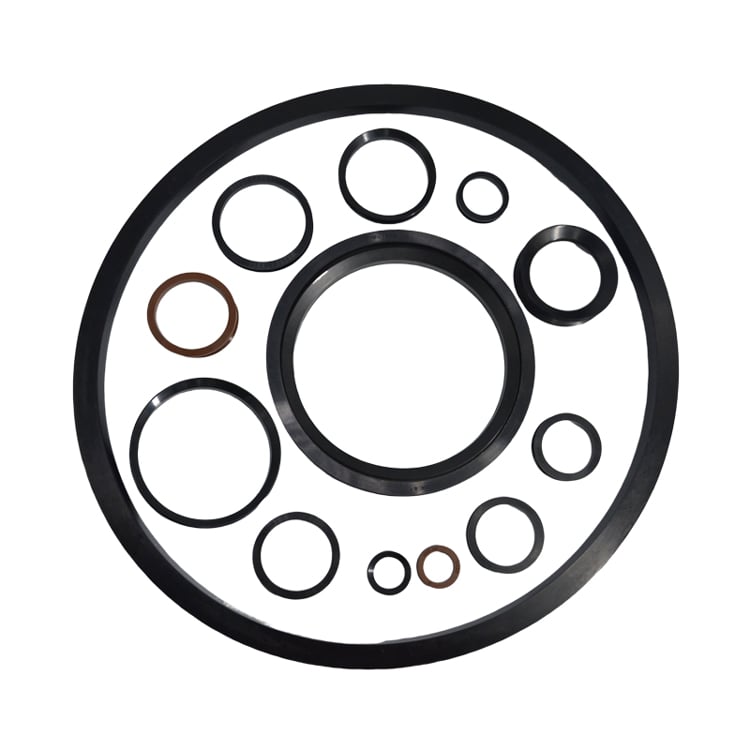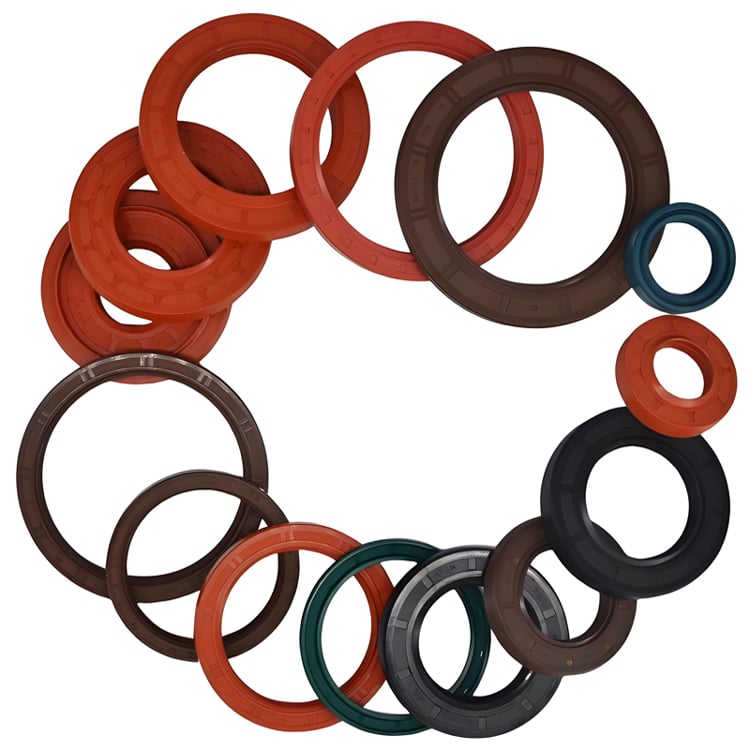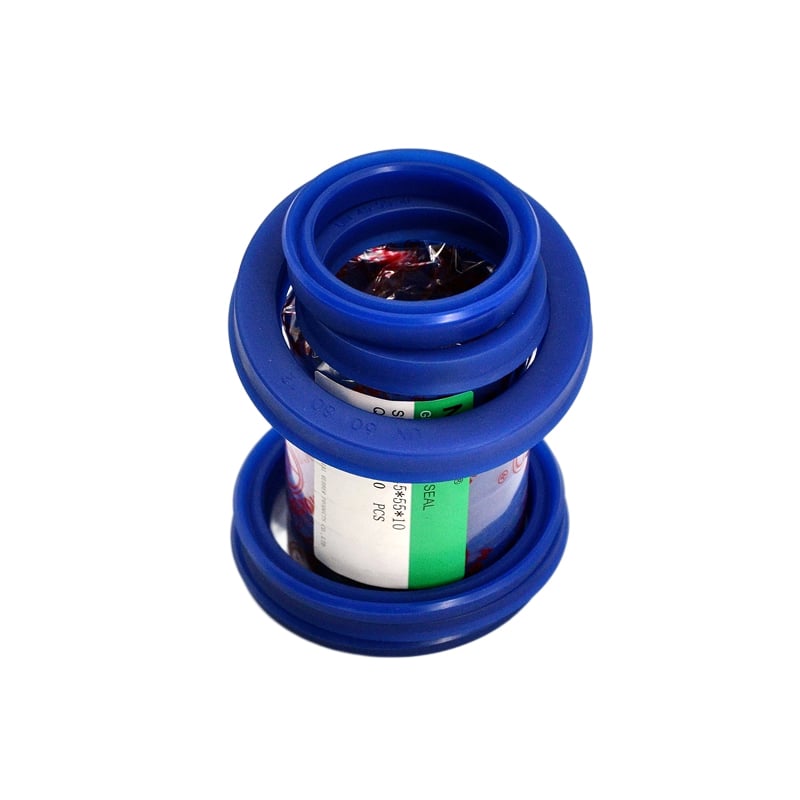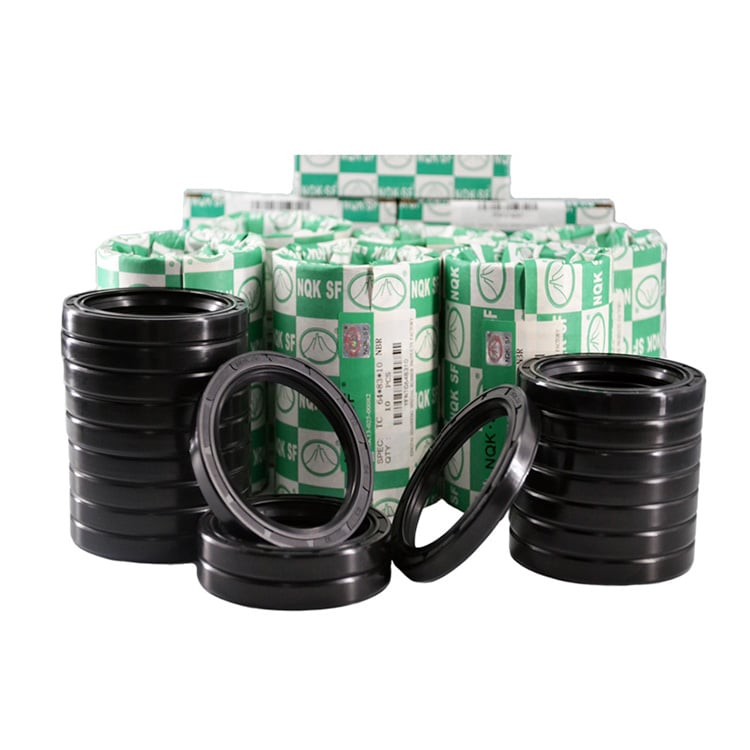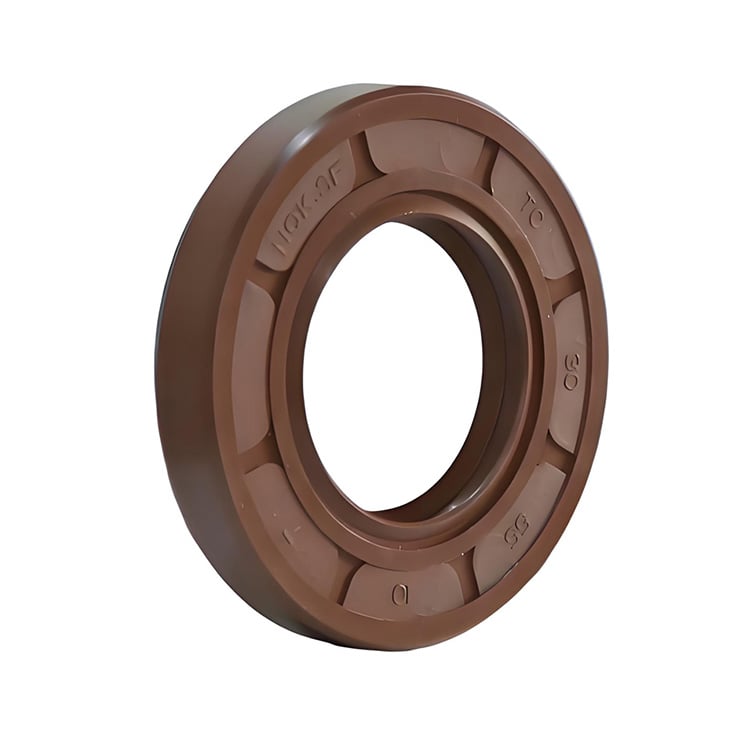

High temperature oil seals are used when the sealing area is exposed to sustained heat or repeated temperature peaks that are beyond the practical working range of a standard seal material. Common examples include engines, transmissions, industrial gearboxes, pumps, compressors, generators, and other rotating equipment that operates continuously or close to a heat source.
The important point is that a high-temperature oil seal is selected because of the actual temperature at the seal, not simply because the machine itself is called a high-temperature application.
Take an engine as an example. The oil seal may be exposed to engine oil, shaft rotation, heat from nearby components, and changes in temperature during starting and operation. A transmission or industrial gearbox can have a similar combination of lubricant, rotating shafts, and heat generated during long periods of operation. In these applications, the sealing material must retain its useful physical properties while remaining compatible with the lubricant.
High speed rotating equipment creates another type of challenge. A pump, compressor, motor, or generator may not have an extremely high overall temperature, but the sealing lip can become hotter because of friction between the lip and shaft. If the shaft speed is high, the seal design and lubrication condition become increasingly important.
Industrial machinery can also face heat from the surrounding process. Equipment installed near ovens, heating systems, dryers, or other heat-producing machinery may transfer heat to the shaft and housing. In this situation, the seal may need to withstand an elevated ambient temperature for long periods even when the sealed medium itself is not particularly hot.
Material selection depends on the specific combination of conditions. NBR is widely used in general oil sealing, while FKM is commonly considered for applications requiring higher temperature resistance and compatibility with many oils and fuels. ACM can also be used in certain automotive and hot-oil applications. PTFE is another option for specialized rotary sealing requirements where temperature, chemical resistance, speed, or friction characteristics call for a different sealing approach.
This does not mean that every hot application needs an FKM or PTFE seal. A more expensive or higher-temperature material is not automatically a better solution. If the seal operates outside its actual requirements, changing the material may add cost without solving the real problem.
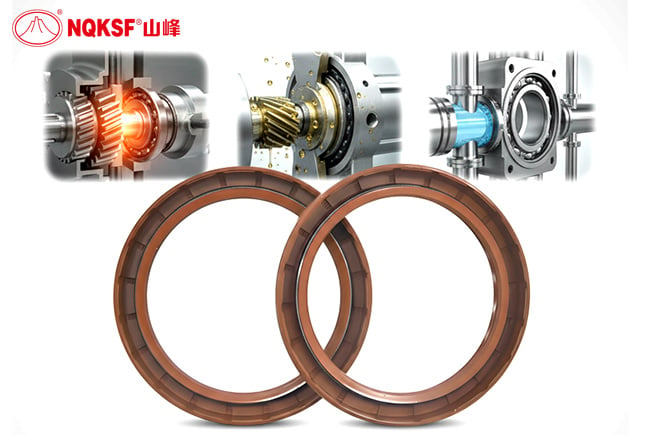
The mechanical condition must also be considered. Excessive shaft runout, poor surface finish, insufficient lubrication, or incorrect installation can increase lip wear and heat generation. In such cases, simply selecting a more heat-resistant seal may not address the underlying cause of failure.
High-temperature oil seals are therefore suitable for many forms of industrial rotating equipment, but the selection should follow the actual working conditions. Temperature, lubricant, shaft speed, pressure, shaft condition, and operating time should be evaluated together before choosing the seal.
 Hot News
ShanFeng Special Rubber Products Co., Ltd., operating under brand NQKSF since 1990, is a global leader in the sealing industry.
Copyright © 2026 ShanFeng Special Rubber Products Co., Ltd. All rights reserved. Privacy Policy
 EN
EN